Maintaining physical health whilst using a mobility aid is a vital component of overall well-being, yet finding the right balance of activity can sometimes feel challenging. Restorative motion focuses on movements that heal, strengthen, and support the body without causing unnecessary strain or fatigue. For individuals who use wheelchairs, walking frames, or crutches, engaging in low-impact exercises can significantly improve circulation, enhance joint flexibility, and boost cardiovascular health. By focusing on accessible routines, you can build a sustainable exercise programme that respects your body's unique limits while still promoting long-term physical resilience.
Seated water aerobics and aquatic therapy
Water provides a natural buoyancy that supports the body, reducing the weight placed on joints and making movement feel remarkably freeing. Aquatic therapy is highly beneficial for mobility aid users because the resistance of the water gently challenges the muscles without the harsh impact associated with land-based exercises. Moving your arms and legs in a heated pool can soothe aching muscles and improve your overall range of motion. Many local leisure centres offer specialised classes where instructors guide participants through safe, seated, or supported routines that focus on core stability and joint mobility.
Chair yoga and mindful stretching
Yoga is incredibly adaptable, and chair-based practices offer all the physical and mental benefits of traditional yoga without the need to transition down to the floor. Focus on gentle twists, forward folds, and side stretches to release tension built up in the back and shoulders, which is a common issue for those who use walking frames or crutches. Combining these stretches with deep, rhythmic breathing encourages relaxation and helps to oxygenate the blood. Regular mindful stretching can gradually increase your flexibility, easing the stiffness that often accompanies prolonged periods of sitting or restricted movement.
Resistance band training
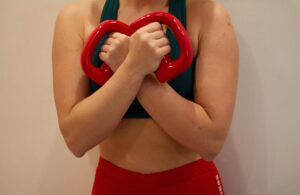
Building muscle strength is essential for supporting the joints, and resistance bands are an excellent tool for achieving this from a seated position. These inexpensive, versatile bands allow you to perform a wide variety of exercises targeting the chest, arms, back, and legs. For example, pulling the band apart across your chest helps to strengthen the upper back, which is crucial for maintaining good posture. Because the bands rely on tension rather than heavy weights, you can easily control the difficulty level, making it a safe method to slowly build endurance and muscle tone without risking injury.
Adapted tai chi movements
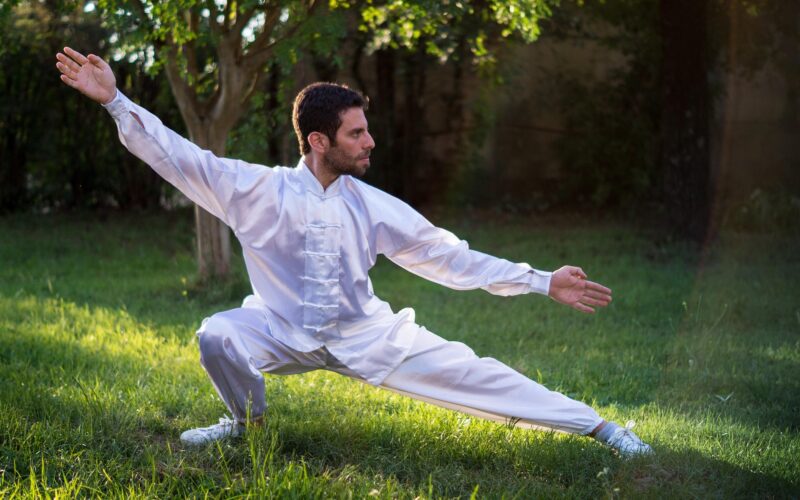
Tai chi is an ancient martial art characterised by slow, deliberate movements and a deep focus on the mind-body connection. Adapted versions of tai chi can be performed entirely from a seated position, concentrating on fluid arm motions and gentle torso rotations. This practice is particularly effective for improving coordination and reducing stress levels. The continuous, sweeping movements encourage joint lubrication and help to maintain fine motor skills, providing a peaceful yet highly effective way to engage the body and calm the nervous system simultaneously.
Upper body cardiovascular conditioning
Cardiovascular health is just as important as muscle strength, and upper body ergometers, commonly known as arm bikes, provide a fantastic heart-pumping workout. Using an arm bike allows you to elevate your heart rate and improve lung capacity without putting any pressure on your lower extremities. This type of continuous movement encourages healthy blood flow throughout the entire body, which can help to reduce swelling in the legs and feet. Starting with just a few minutes a day and gradually increasing your time can lead to significant improvements in your overall stamina and energy levels.
Taking the next step in your fitness journey
Embracing restorative motion is about discovering what works best for your individual needs and celebrating the movements your body can achieve. It is always highly recommended to consult with a qualified physiotherapist or healthcare professional before beginning any new exercise programme, as they can provide tailored advice and ensure your chosen activities are completely safe. By integrating these gentle, low-impact exercises into your weekly routine, you can foster a greater sense of independence, boost your mood, and enjoy the profound benefits of remaining active on your own terms.